HMRC Eyes Your Side Hustle This Christmas


It’s Beginning to Look a Lot Like…Tax Season
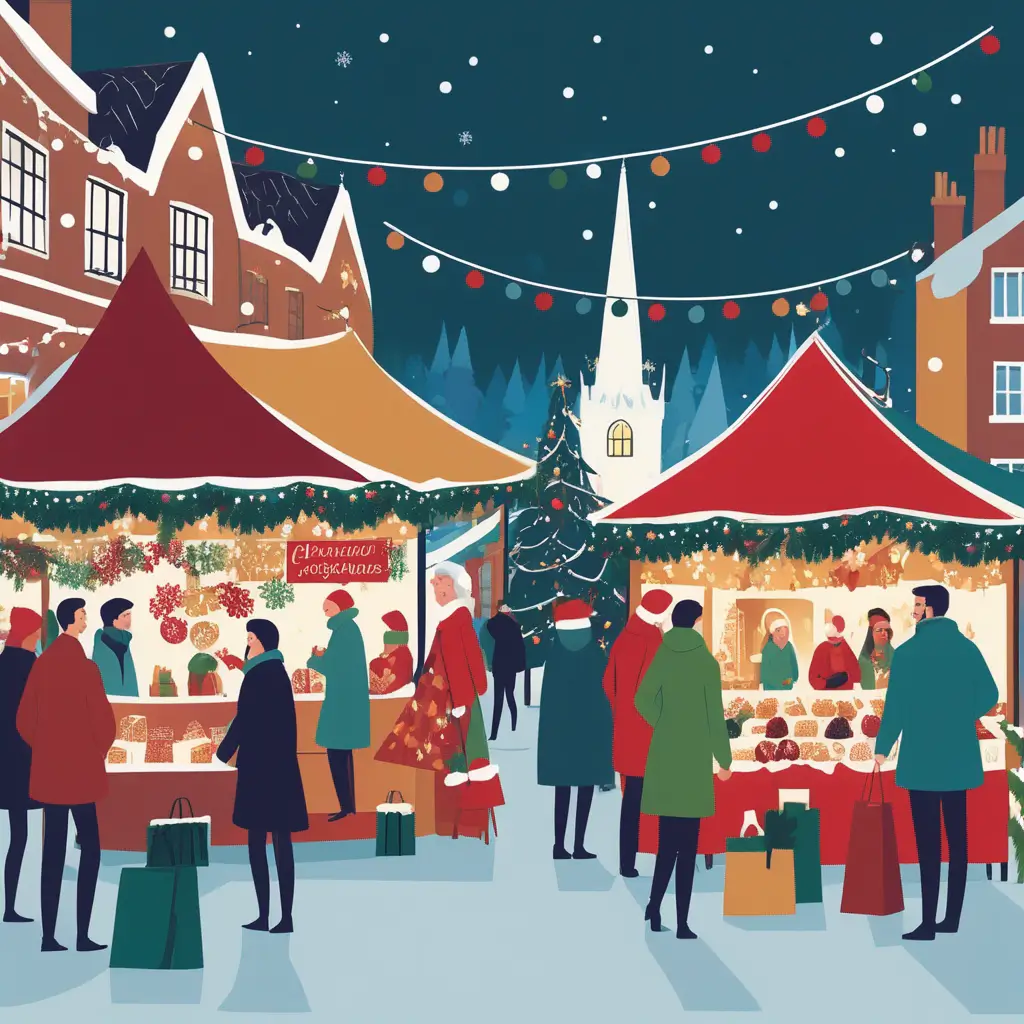
Ah, Christmas. The season of goodwill, mulled wine, and—if you’re not careful—an uninvited gift from HMRC. Because nothing says ‘festive cheer’ quite like a letter about unpaid tax on your side hustle. Welcome to the brave new world where every mince pie you sell at a market stall or bauble you post on eBay could have tax implications.
The Reality: HMRC Knows More Than Ever
Here’s the cold, biting truth: HMRC has had enough of pretending not to see your side gig. Thanks to new rules, they’re now hoovering up data from platforms like eBay, Vinted, Deliveroo, Uber, and the rest. If you thought your extra income was slipping under the radar, think again.
“Many people might be taking part in Christmas market stalls or selling festive crafts online, and should they exceed the £1,000 earnings threshold, they’ll need to notify HMRC. Or risk facing an unexpected tax bill.”
The days of plausible deniability are over. Because, of course, that always works out perfectly… not.
What Counts as a Side Hustle?
If you’re making, buying, or reselling items, driving for delivery apps, moonlighting as a content creator, or renting out property, you’re in HMRC’s crosshairs. This isn’t just about flogging unwanted junk—this is about trading. And HMRC’s new ‘Help for Hustles’ campaign is basically a giant, flashing warning sign: check your obligations or face the consequences.
Five Key Hustle Categories
Selling goods you’ve bought or made (No, your Etsy empire isn’t invisible)
Side gigs (Uber, Deliveroo, TaskRabbit, you name it)
Multiple self-employed jobs (Juggling more than one hat? So is HMRC)
Content creation/influencing (Yes, even your TikTok ad revenue)
Property rental (Airbnb hosts: HMRC is watching)
The £1,000 Threshold – A Trap for the Unwary
Let’s burst a myth: If your total trading or miscellaneous income stays below £1,000 before expenses, you don’t have to report it. Sounds simple. Except, that’s total income—across all side hustles. So if you pull in £600 from craft sales and £500 from YouTube, you’re over the line. Welcome to the self-assessment club.
| Scenario | Total Income | Register for Self-Assessment? |
|---|---|---|
| Craft sales (£600) only | £600 | No |
| YouTube (£500) only | £500 | No |
| Craft (£600) + YouTube (£500) | £1,100 | Yes |
Suddenly, that part-time passion project looks a lot less harmless.
Self-Assessment: The Clock Is Ticking
Earn over £1,000? You need to:
Register as a sole trader
File a self-assessment tax return
Pay any tax due by 31st January 2026
Miss the deadline, and you’ll be paying more than your fair share—to HMRC in penalties.
The Distinction That Matters
Don’t try to kid yourself—or HMRC—that you’re just flogging some old stuff from the loft. There’s a world of difference between selling unwanted goods and running a trading operation. If you’re buying stock, making products, or treating your sideline as a business, you’re trading. And HMRC’s algorithms are smarter than you think.
The Bottom Line: Don’t Gamble With Ignorance
You can ignore these changes, pretend you’re invisible, or gamble that HMRC won’t notice. But when they do, it’ll be you explaining why you didn’t report your ‘little side project.’
So ask yourself: Is it worth the risk?
Next Steps: Don’t Wait for the Knock
Calculate your total income from all side hustles for the year
Register for self-assessment if you’re over £1,000 (before expenses)
File before 31 January 2026
Get advice if you’re not sure—don’t wait for HMRC to come calling
